

"I believe, that her (Catherine Stern's) idea is sound and would be of real value in the teaching of the elements of arithmetic."
—Professor Albert Einstein
Our Products are Used By




Featured products
-
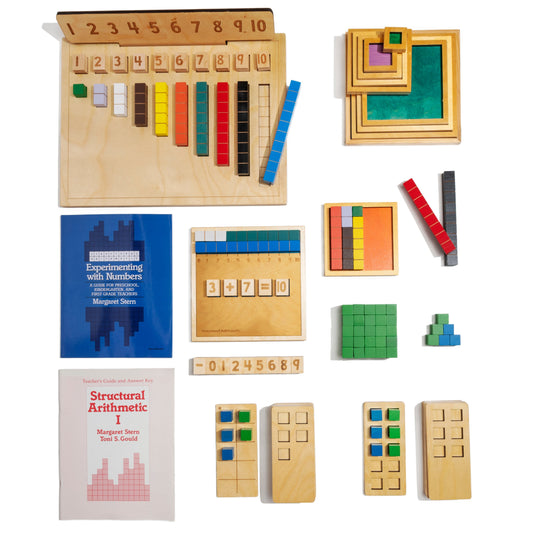
Set A: Early Number Sense - Numbers 1 to 10
Regular price $330.00 USDRegular priceUnit price per$330.00 USDSale price $330.00 USD -
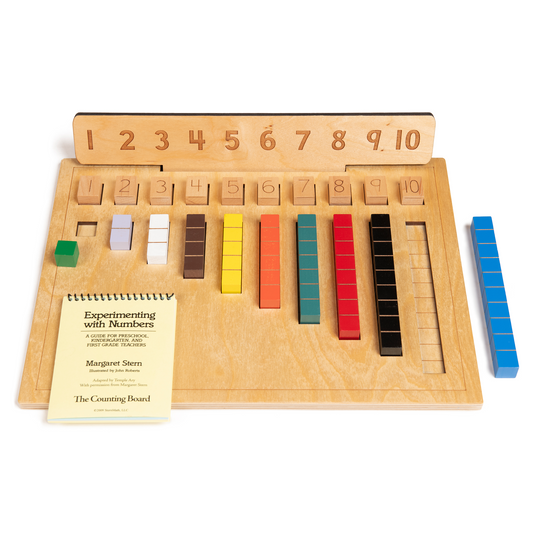
Counting Board Set
Regular price $87.00 USDRegular priceUnit price per$87.00 USDSale price $87.00 USD -
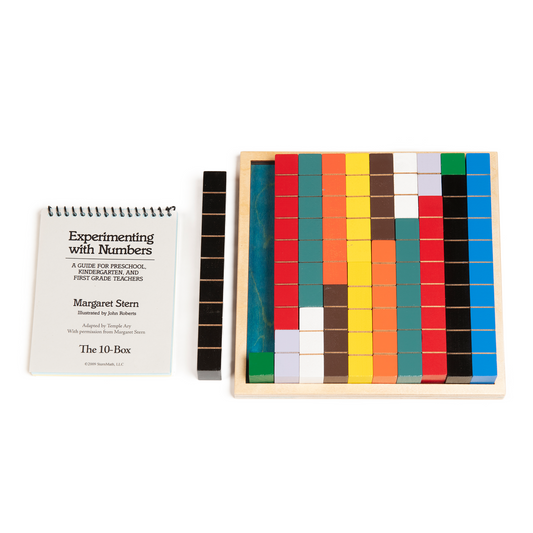
10-Box Set
Regular price $52.00 USDRegular priceUnit price per$52.00 USDSale price $52.00 USD -
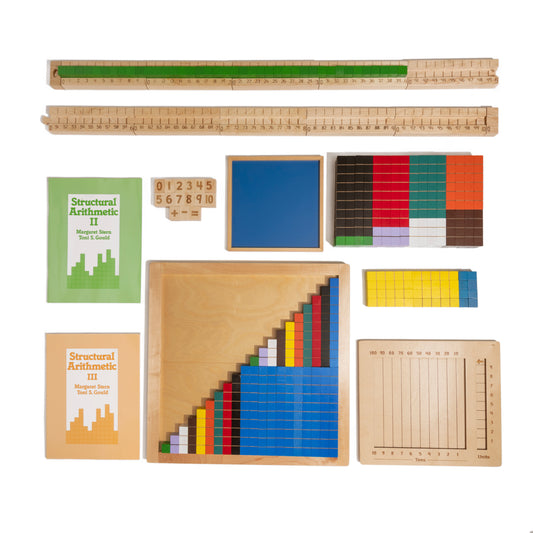
Set B: Place Value & Operations - 1-100
Regular price $435.00 USDRegular priceUnit price per$435.00 USDSale price $435.00 USD -
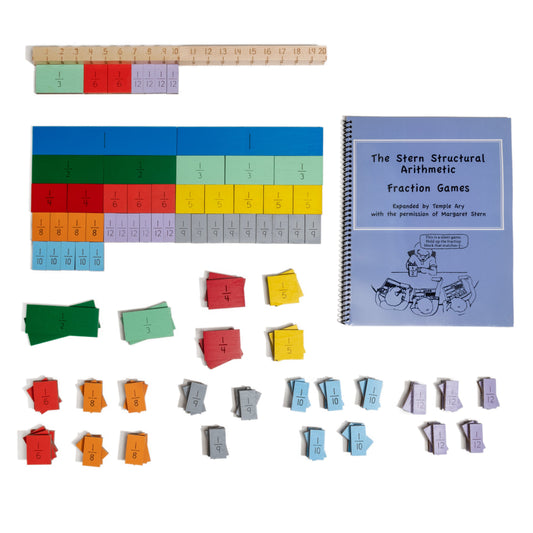
Complete Fraction Set
Regular price $100.00 USDRegular priceUnit price per$100.00 USDSale price $100.00 USD -
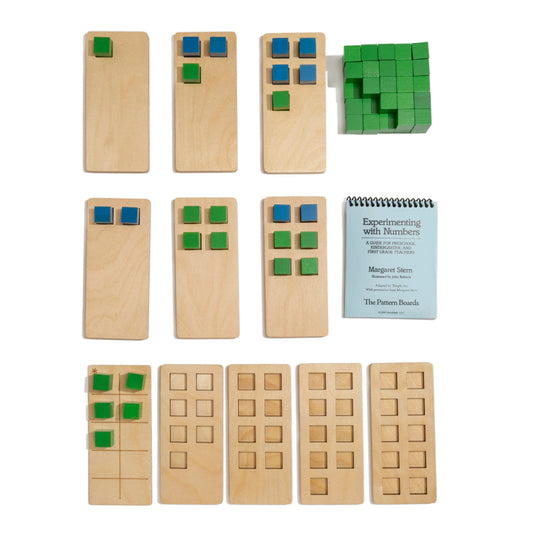
Pattern Boards Set
Regular price $83.50 USDRegular priceUnit price per$83.50 USDSale price $83.50 USD
Thoughts From Our Teachers

"With Stern materials, math becomes interactive and exciting. Students' eyes light up when they walk in the room and the materials are on the table."
Gayle Porter Lewis | Math Department Chair The Carroll School

"Dr. Stern's material, so carefully planned and ordered, amazed and delighted me. … I could see deliberately put into play every abstract property of the arithmetic operations to which a mathematician would give a technical term. That was more than I dreamed could be done."
Marguerite Lehr | Professor of Mathematics Bryn Mawr College
"Stern Structural Arithmetic has helped our most struggling students develop their conceptual understanding of basic number sense and operations by improving their ability to identify and predict patterns in numbers."
Middle School Teacher | Uncommon School, Brooklyn, NY